Music


Click here for our Music Policy
Click here for our Music Progression
At Netherseal St. Peter’s, we value music as an important part of our children’s entitlement to a broad and balanced curriculum.
It is our intent that the music element of our curriculum should be an enjoyable experience for pupils and teachers. Children will experience listening to music from different cultures and eras and participate in a range of musical experiences, building up their confidence at the same time. Children will learn to develop their understanding of rhythm and pitch and how music is structured, as well as learning technical vocabulary for these elements. As children progress, they will think more critically and develop a deeper understanding of music, knowing that it reflects and shapes our history, and contributes to the culture, creativity and wealth of our nation and globally.
Music is taught as a discrete subject using the Charanga Musical School resource, but also across the curriculum using the ‘Freestyle Units’ which are closely linked to topic areas. All musical learning is built around the interrelated dimensions of music: pulse, rhythm, pitch, tempo, dynamics, timbre, texture, structure and notation. These dimensions weave through the units to encourage the development of musical skills as the learning progresses through listening and appraising, differing musical activities, including creating and exploring, and performing.
A weekly ‘Praise’ assembly and performances, such as Christmas nativities and end of year shows, allow the children opportunities to develop their singing skills and gain an understanding of how ensembles work.
Inclusion
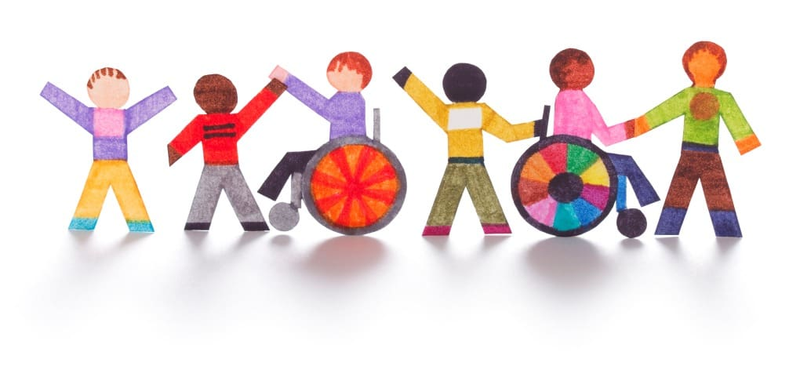
One of the most powerful ways to make music education more inclusive is to use a diverse and representative musical repertoire. We incorporate music from different historical periods, regions, and styles. We focus on equity in music by ensuring that pupils most in need receive targeted support and resources:
· Clear structures and routines
· Social stories
· Visual timetables
· Pupils strategically paired
· Collaboration - talking partners/groups within lessons
· Adapted/differentiated small group work
· Visual displays to support learning including key vocabulary
· Sensitivity to how noises & music affects a pupil’s sensory processing capabilities
· Sensory audits for specific children using ‘Derbyshire Sensory Toolkit’
· Additional adult to help manage organisation, spot a child’s triggers and what the child looks like in a heightened state of anxiety and to break tasks down
· Help children to manage their arousal levels but allow them ‘time out’ when they show they are in need of a break from the lesson. Allow children to have planned and unplanned sensory breaks or use fiddle toys that won’t disrupt other children when necessary
· Be aware that anxious children may not have the confidence to perform in front of others
· Music lessons include a range of moving and hands-on (kinaesthetic) learning activities
· Allowing children time to let out their impulsiveness when handling new instruments
· For children with hearing impairment, all barriers to lip-reading are removed, ensuring the child can clearly see the teacher. Physical demonstrations what to do rather than relying on verbal instructions
· Ear defenders used for pupils with hypersensitivity to noise and sounds
· Physical space and equipment are accessible
· Coloured paper/ backgrounds/overlays used to reduce ‘glare’ when reading music or following musical notations. Large font sizes and double line spacing used where appropriate
· Text or musical phrases colour-coded e.g. one colour for me to play/sing, another colour for my partner
· Signs, symbols and visual representations used to help children’s understanding and ability to follow a piece of music with different notes or instruments
· Advisory specialist teacher support for children with hearing/visual and physical impairment
Click below for our music knowledge organisers and vocabulary progression:
Young Voices Choir 2026
We became stars of Matilda the Musical for the day!
We offer peripatetic music lessons to anyone in Key Stage 2 who wants to learn to play the flute, clarinet, saxophone or piano.
Please contact school if you are interested in taking advantage of the opportunity.
An unforgettable journey...
Children in Key Stage 2 take part in the Young Voices Choir at the NEC Arena, Birmingham every two years.
Following rehearsals and a lot of hard work, we perform to family and friends alongside over six thousand children from around the country and well-known celebrities - it is always an inspiring and amazing experience!