Physical Education

Sports Clubs (rotated every half term):
Fencing and Archery - All year groups
Benchball - Key Stage 2
Hockey - Key Stage 2
FUNdamentals - EYFS and Key Stage 1 Football - Key Stage 2
Boccia - Years 1-6
Dodgeball - Key Stage 2
Goalball Key - Stage 2
Lunchtime Interventions - Key Stage 1
Athletics Field Events - all classes
Handball - Key Stage 2
Kwik Cricket - Years 4-6
Basketball - Key Stage 2
Tag Rugby
'A high quality physical education inspires all pupils to succeed and excel in competitive sport and other physically demanding activities. It should provide opportunities for pupils to become physically confident in a way which supports their health and fitness. opportunities to compete in sport and other activities build character and help embed values such as fairness and respect'. (Statutory Guidance 2013)
At Netherseal St. Peter's, we understand and value the benefits of PE and aim to develop the knowledge and skills necessary for social, emotional, mental and physical wellbeing in our children now and for their future. Physical Education promotes an understanding in children of their bodies in action. It involves thinking, selecting and applying skills and encourages positive attitudes towards a healthy lifestyle, enabling them to make informed choices about health and physical activity throughout their lives.
Through well-planned, high quality PE and sports teaching, both in the curriculum and as part of extracurricular provision, we seek to ensure that all children show resilience and have the self esteem to succeed. We want to teach children skills to keep them safe such as being able to swim and teach children how to cooperate and collaborate with others as part of an effective team, understanding fairness and equity of play to embed life-long values.
Click here for our PE progression
Dress Code
All children and staff should wear suitable clothing for PE activities.
PE Kit:
Plain blue school T-shirt
Plain navy shorts (no 'skorts')
Plain black non-marking pumps
Socks
Plain navy jogging bottoms (for winter, outdoor use only, over shorts)
Children should have bare feet for gymnastics and dance activities inside
No jewellery should be worn and long hair should be tied back
Swimming kit:
A one-piece swimming costume
Trunks or shorts (not below knee length)
Swimming caps are optional
Goggles require signed parental permission
Click here for link to
Inclusion
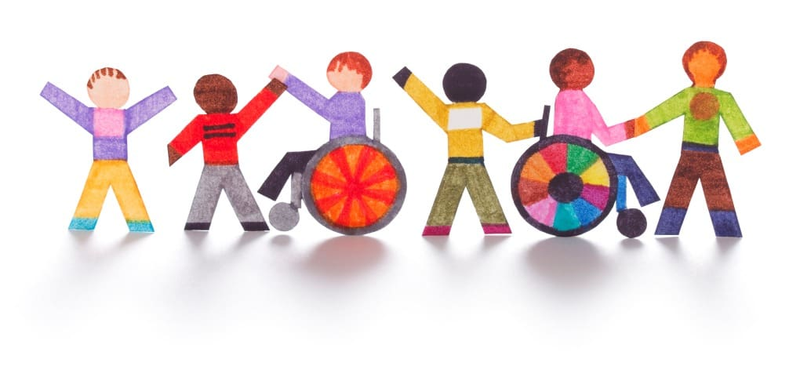
Inclusion in primary school PE means ensuring all pupils, regardless of their abilities, background, or needs, have the opportunity to participate fully and positively in physical education. We recognise that we have children of differing abilities within our classes. Discussions between staff, parents, pupils, coaches and SENCo may take place to help pupils with SEND to overcome potential barriers to learning in physical education.
We focus on equity in PE by ensuring that pupils most in need receive additional support, adapted activities, a carefully managed pyhsical regime and fostering a welcoming environment where every child feels valued and can experience success
- Modified games, rules, or equipment to suit different abilities and needs, ensuring everyone can participate
- Individualised support, such as additional staff, specialised equipment, or alternative activities, for pupils who require it
- Recognising and addressing the unique needs of each pupil, providing a range of options for engagement in physical activities
- Utilising team games to promote social interaction, cooperation, and turn-taking, which can be particularly beneficial for pupils with social or communication needs
- Clear structures and routines
- Social stories
- Visual timetables
- Pupils strategically paired
- Adapted/differentiated small team work
- Sensitivity to how PE and sport may affect a pupil’s sensory processing capabilities eg. ear defenders used for pupils with hypersensitivity to noise and sounds
- Sensory audits for specific children using ‘Derbyshire Sensory Toolkit’
- Additional adult to help manage organisation, spot a child’s triggers and what the child looks like in a heightened state of anxiety and to break tasks down
- Help children to manage their arousal levels but allow them ‘time out’ when they show they are in need of a break from the lesson. Allow children to have planned and unplanned sensory breaks or use fiddle toys that won’t disrupt other children when necessary
- Be aware that anxious children may not have the confidence to perform/play in front of others
- For children with hearing impairment, all barriers to lip-reading are removed ensuring the child can clearly see the coach
- Physical demonstrations what to do rather than relying on verbal instruction
- Physical space and equipment are accessible
- Advisory specialist support
Fencing and Archery Club

Gymnastics
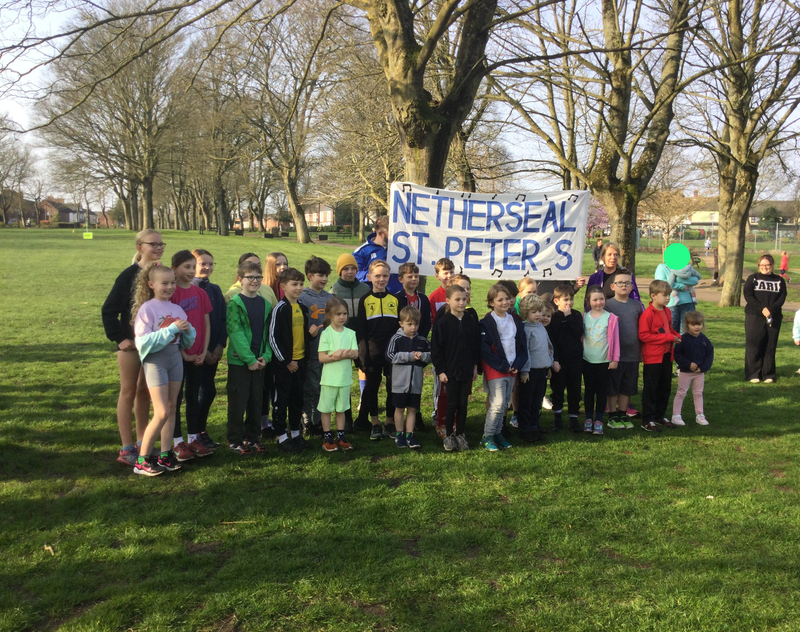
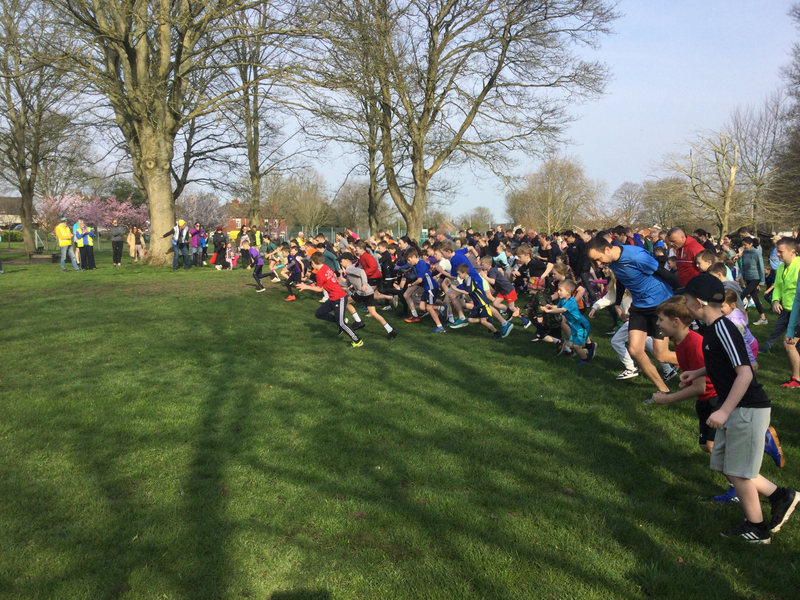
We are excited to be part of the Junior Parkrun Initiative, which is a free Sunday morning event for children aged 4-14 years.
Junior parkrun in the UK supports children’s mental health by fostering a sense of belonging, boosting confidence and establishing healthy routines in an outdoor environment. It promotes happiness, reduces anxiety through physical exercise, and provides a supportive community, with many children reporting increased pride, joy and social connection.
Junior parkrun focuses on fun with no one ever finishing last thanks to the tailwalker role.
We are proud to announce that nearly 60% of our pupils and families enjoyed the day, with many of our youngest pupils also competing.